Ask for a recommendation
我要煮鱼片汤,两个人吃的。您推荐哪一种鱼?
I’m making fish soup for two. Which fish would you recommend?
Choose a market. Know what to buy. Walk in with a plan.
Start with a neighbourhood, then choose what matters.
Used once to find nearby markets. We don’t store your location.
Markets with documented halal meat, frozen-food or pantry options. Check each stall and product before buying.
Meat options and frozen-food or pantry stockists are labelled separately in the results. A pantry listing does not confirm halal meat availability or certify the stall or whole market.
Sources reviewed 15 Oct 2026. Listings may change; confirm the stall is trading and check product labels or halal documentation. For certified premises, use the MUIS directory. Markets without enough evidence remain under All interests; their absence here is not a non-halal classification.
Market coordinates on a geographic map. Zoom to separate nearby points.
Map could not load. The market list and directions links are still available.
Browse the full listed directory, with or without location sharing. Interests use published guides, vendor listings and market-trade records; unverified markets stay under All interests. Locations include archived NEA coordinates (2020), so check current opening and stall availability. “Good value” is comparative, not a price guarantee.
Help us put more neighbourhood gems on the map. Recommend a place worth discovering.
No account needed · Reviewed before publishing
Tap a dish to open its recipe
Swipe for recipesA little guidance. A lot less awkward.
What are you cooking?
Tell them your dish and how many people you’re feeding.
I’m making fish soup for two. Which fish would you recommend?
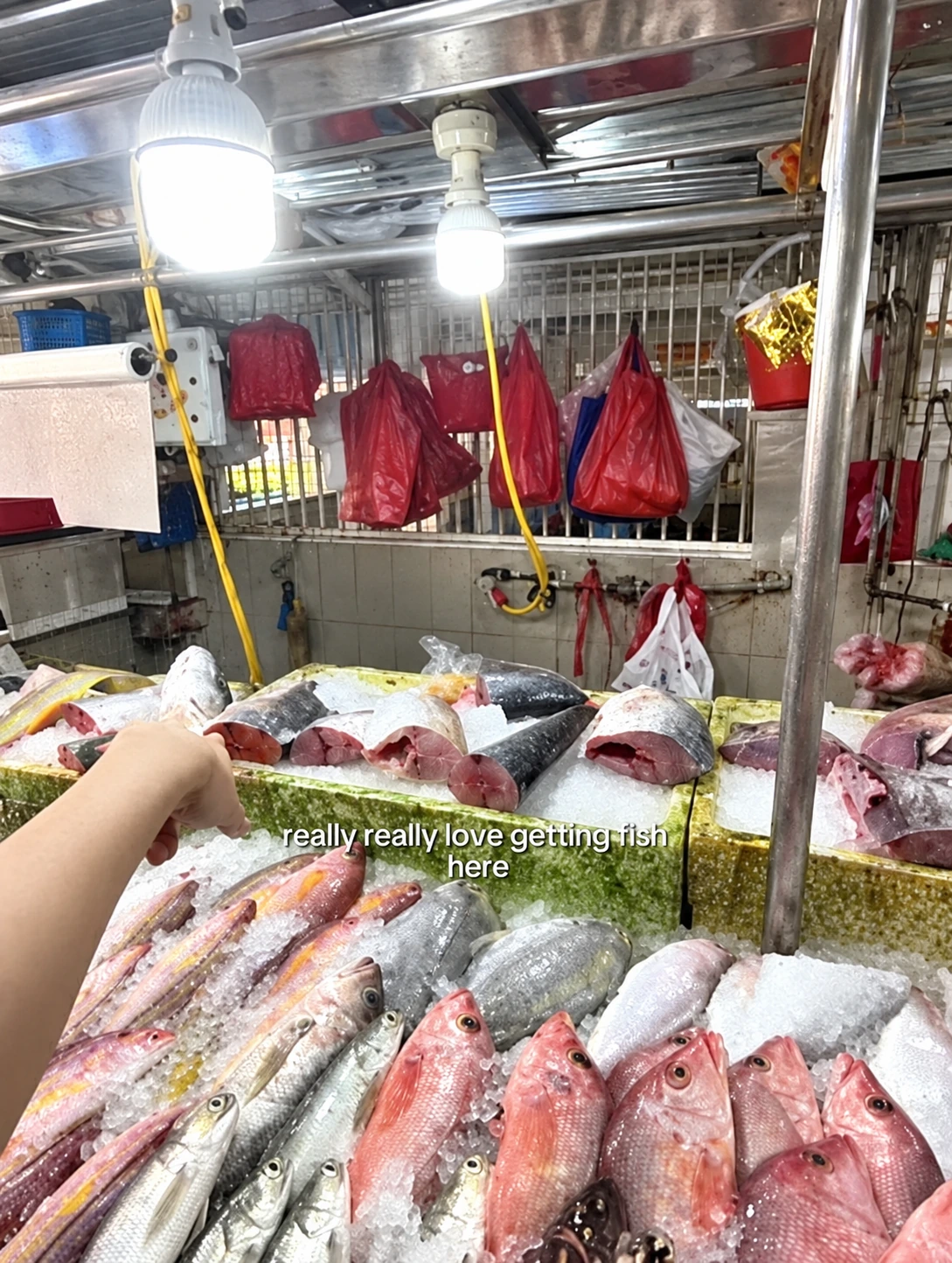
Batang, seabass, red grouper and threadfin are my fish-soup choices. Ask what suits your dish today.
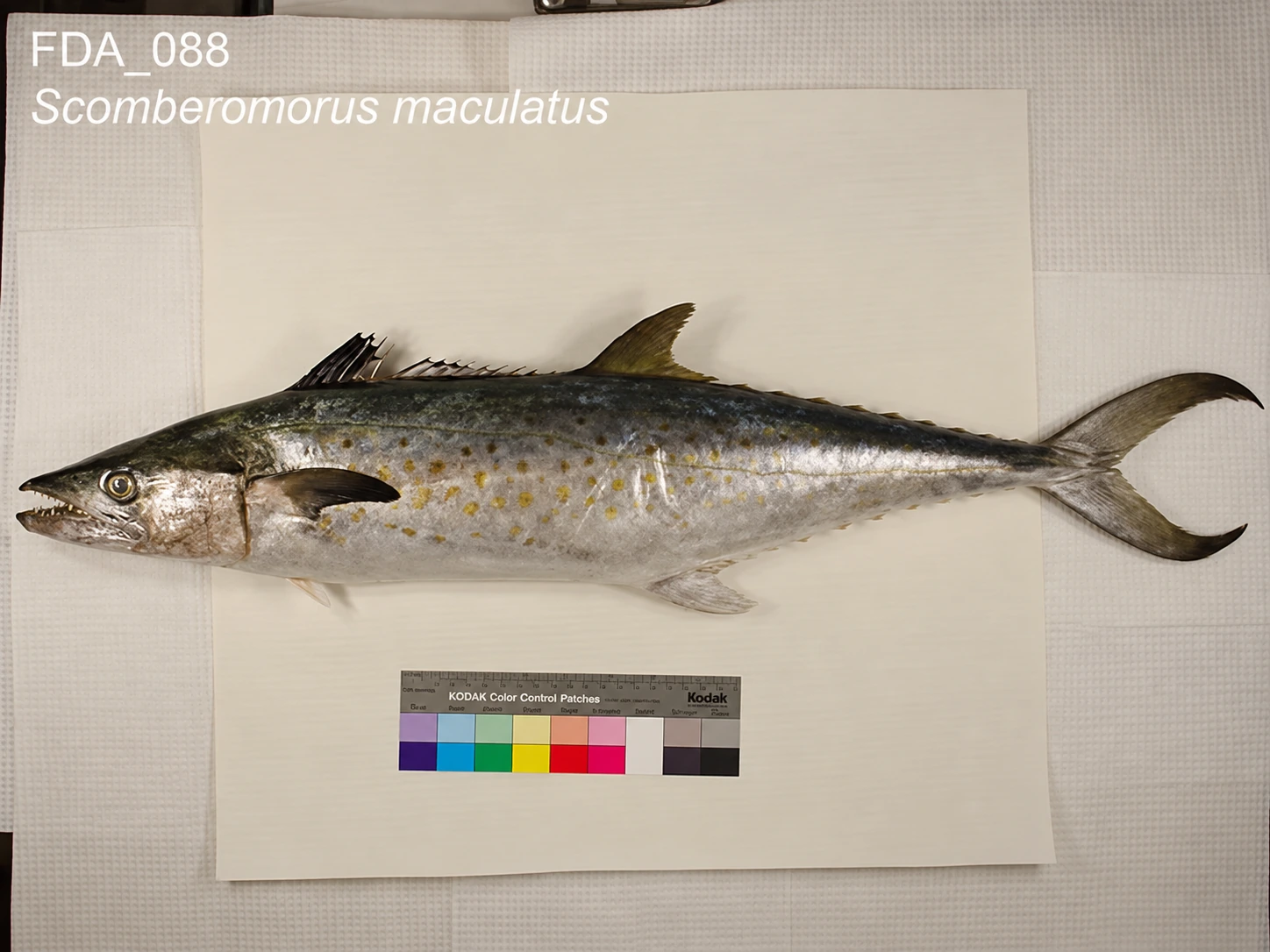 Fish for twoBatang, seabass, red grouper & threadfin
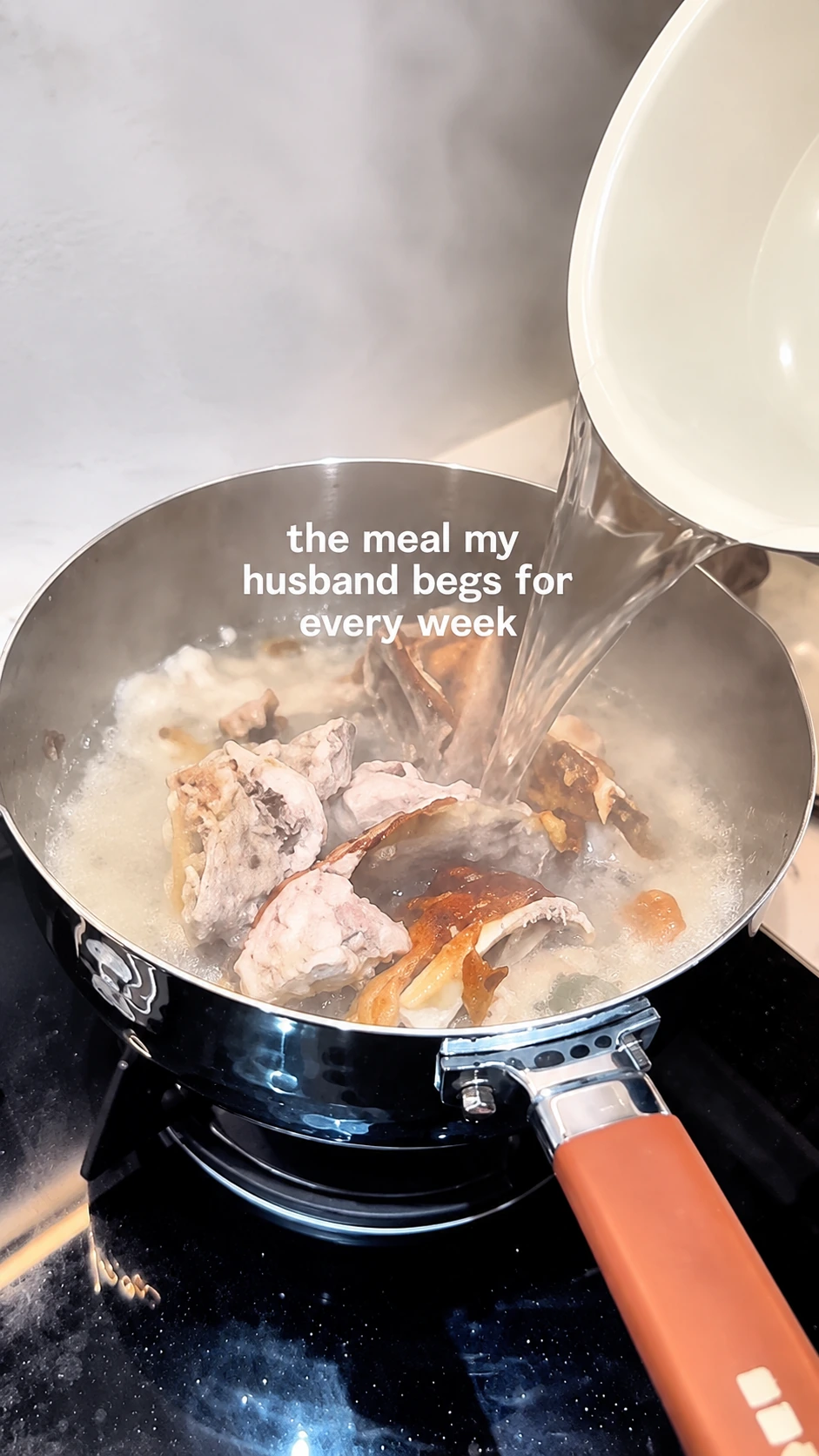
 The bone-broth guideChoose for flavour and body
 Your first shopping listA small, practical starter shop
Use these when the stallholder speaks Mandarin. Read the pinyin, or show the Chinese phrase on your phone. You can start politely with “您好” (nín hǎo — hello).
我要煮鱼片汤,两个人吃的。您推荐哪一种鱼?
I’m making fish soup for two. Which fish would you recommend?
鱼肉帮我切片,鱼头和鱼骨另外装,可以吗?
Please slice the fish and pack the head and bones separately. Is that okay?
可以帮我去鳞、去内脏,再切片吗?
Could you remove the scales and innards, then slice the fish?
鱼头可以帮我切成两半或四块吗?
Could you cut the fish head into halves or four pieces?
我要大概四百克的鱼肉。这样多少钱?
I’d like about 400g of fish meat. How much would that cost?
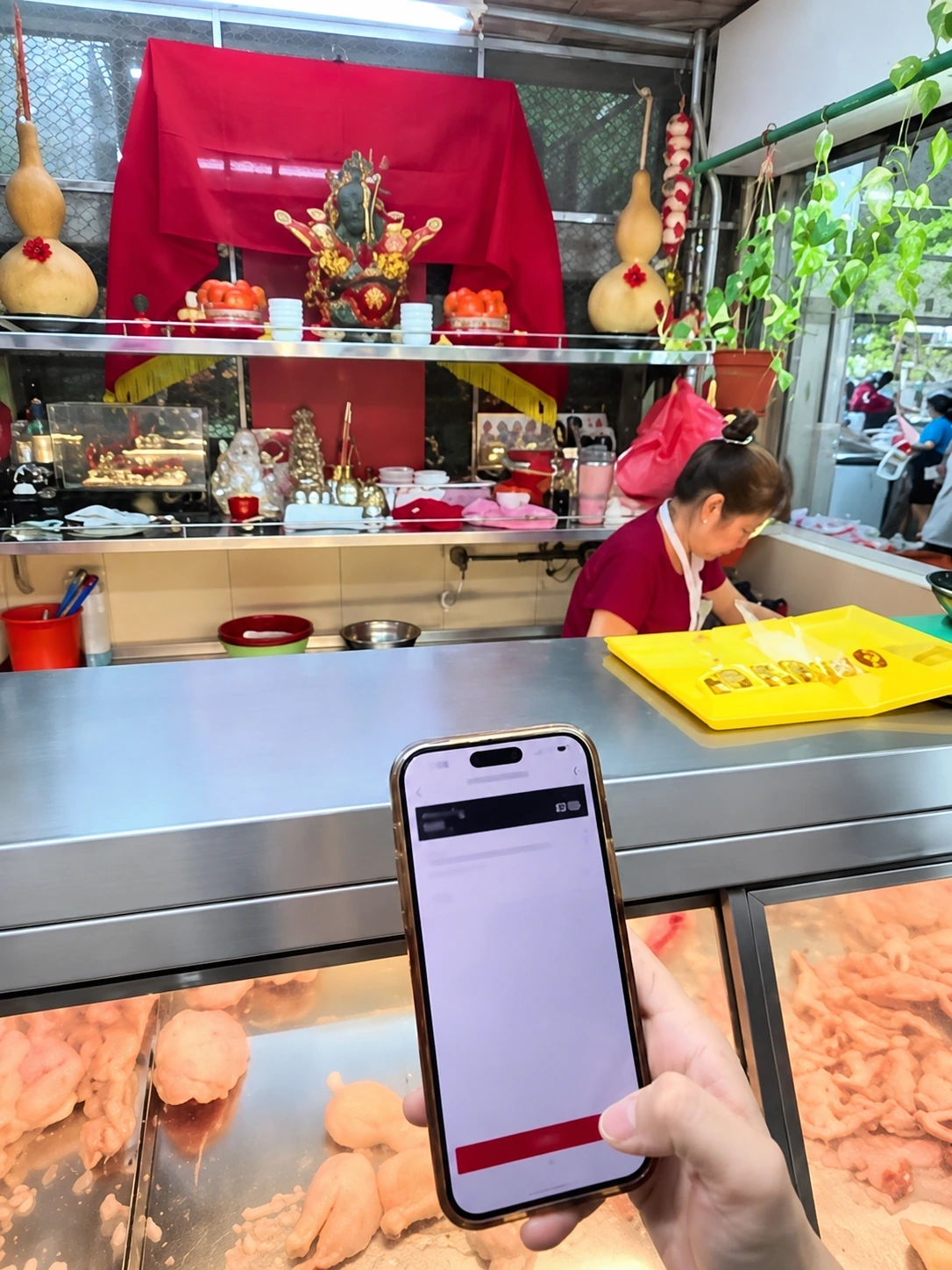
可以用 PayNow 付款吗?
Can I pay using PayNow?
For the quantity phrase, 400g is an example for two generous bowls; adjust it to your meal. Check which payment methods the individual stall accepts.
Skip the awkward guessing. Lead with what you’re cooking and let the fishmonger help you choose the right cut.
“Fish soup for two, please.” Or: “I’m steaming this.” It gives the stallholder the context to recommend the right fish and cut.
“Soup slices in one bag; head and bones separately for stock.” One buy becomes dinner and tomorrow’s broth.
“Please descale, gut and cut into soup pieces.” For fish head, ask for it halved or quartered so it fits your pot.
Look for fish that is shiny and bright. If something smells off or looks dull, choose another option.
Do produce and dry goods first, then buy chilled fish or meat just before heading home—ideally into an insulated bag.
“What’s nicest today for soup?” It is the easiest way to get a practical recommendation and start a warmer conversation.
Kelly’s bone-broth pairing: chicken bones + feet for clean flavour and body; pork big bones + soup bones for depth; fish head + bones for a sweeter soup base.
From your wet-market bag to a comforting bowl.
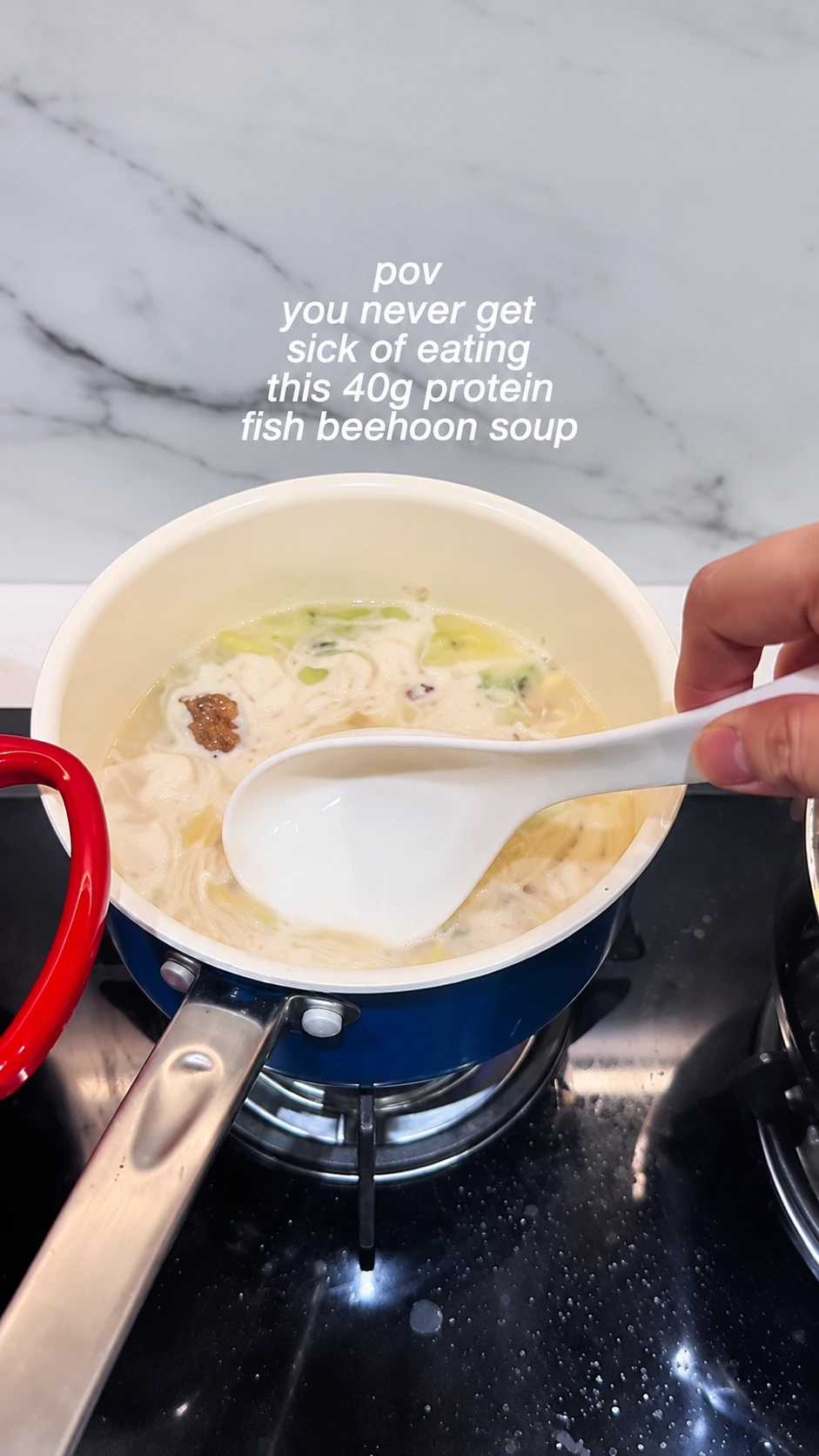
Shared soup base for fish soup and yong tau foo: these seasoning amounts are for 450–500 ml broth. Scale them with the amount of broth you use, then taste before adding more.
Ask for soup slices, with the head and bones packed separately if you’re making stock. The fish quantity is a protein-forward serving guide, not a minimum.
300–400g of boneless fish is the practical sweet spot for two generous bowls. Published two-person recipes range from 200g to 400g; 400–500g is a more protein-forward or leftovers-friendly buy, not the minimum you need.
Budget-friendlier with a firm bite. A dependable choice when you want clear slices that hold together in soup.
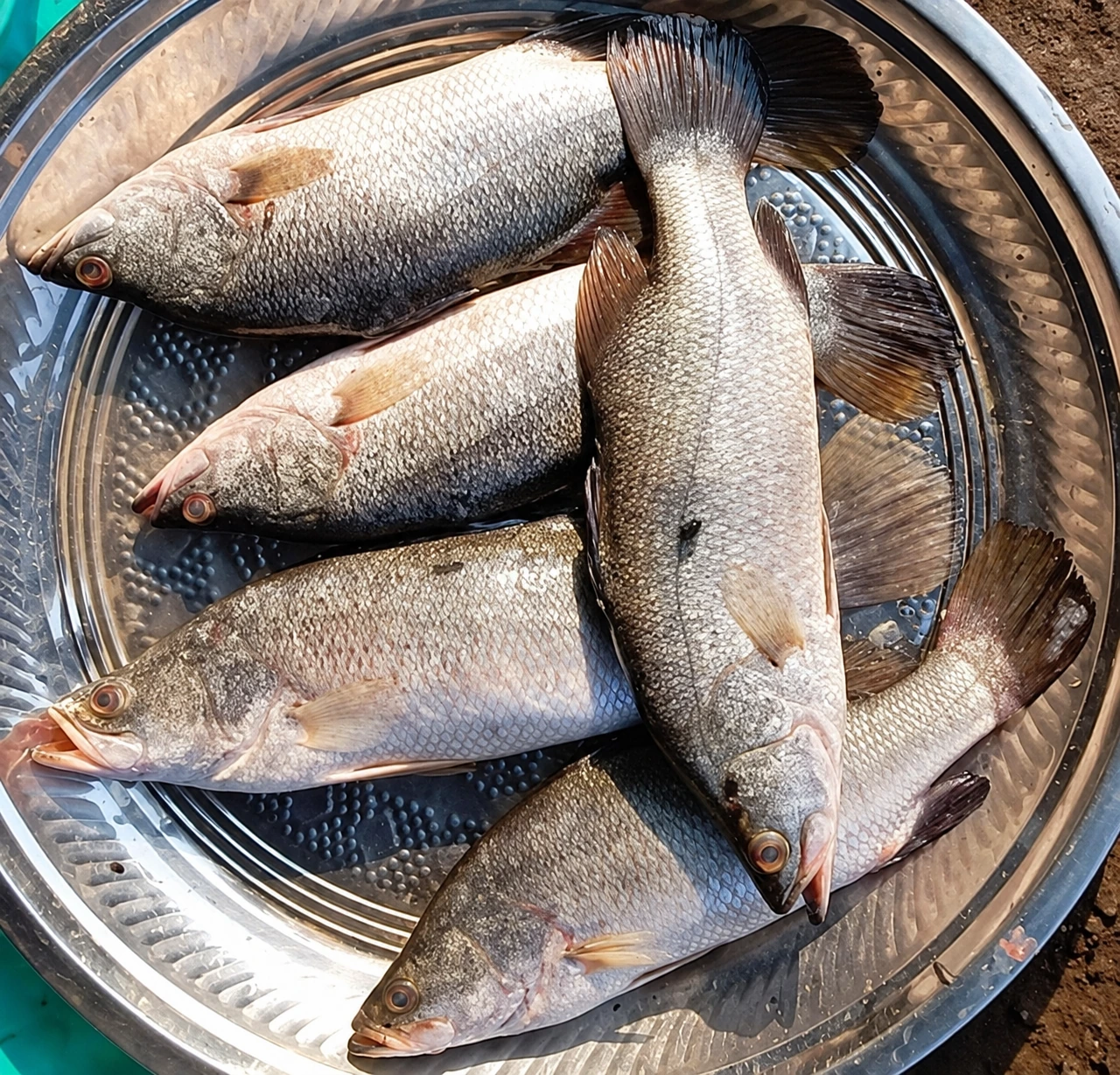
Gentle, clean and easy for a first fish-soup shop. Ask for boneless slices if you prefer less fuss at the table.
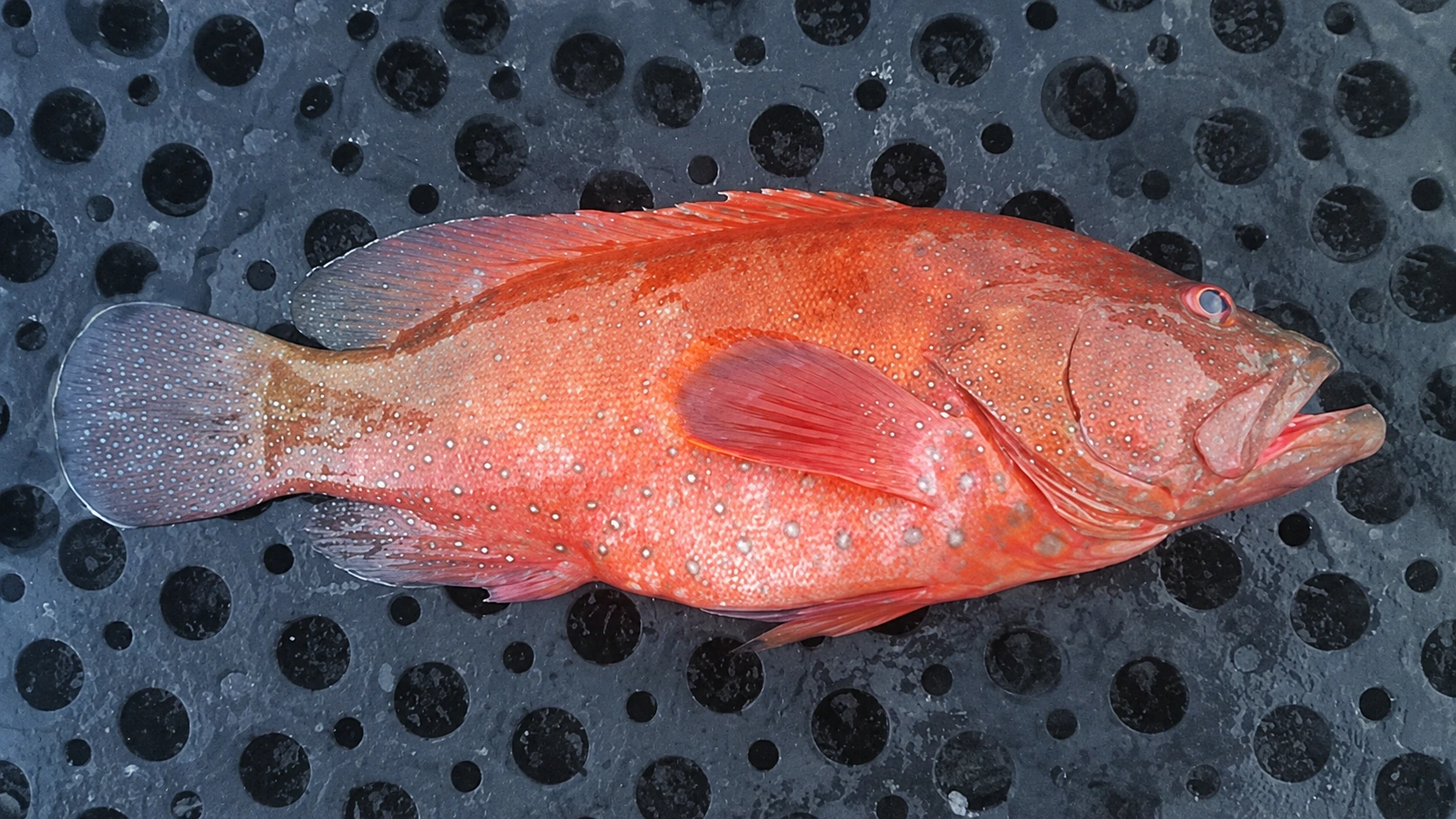
A sweeter, more delicate upgrade. Great when the fish is the star of the bowl and you want a softer texture.
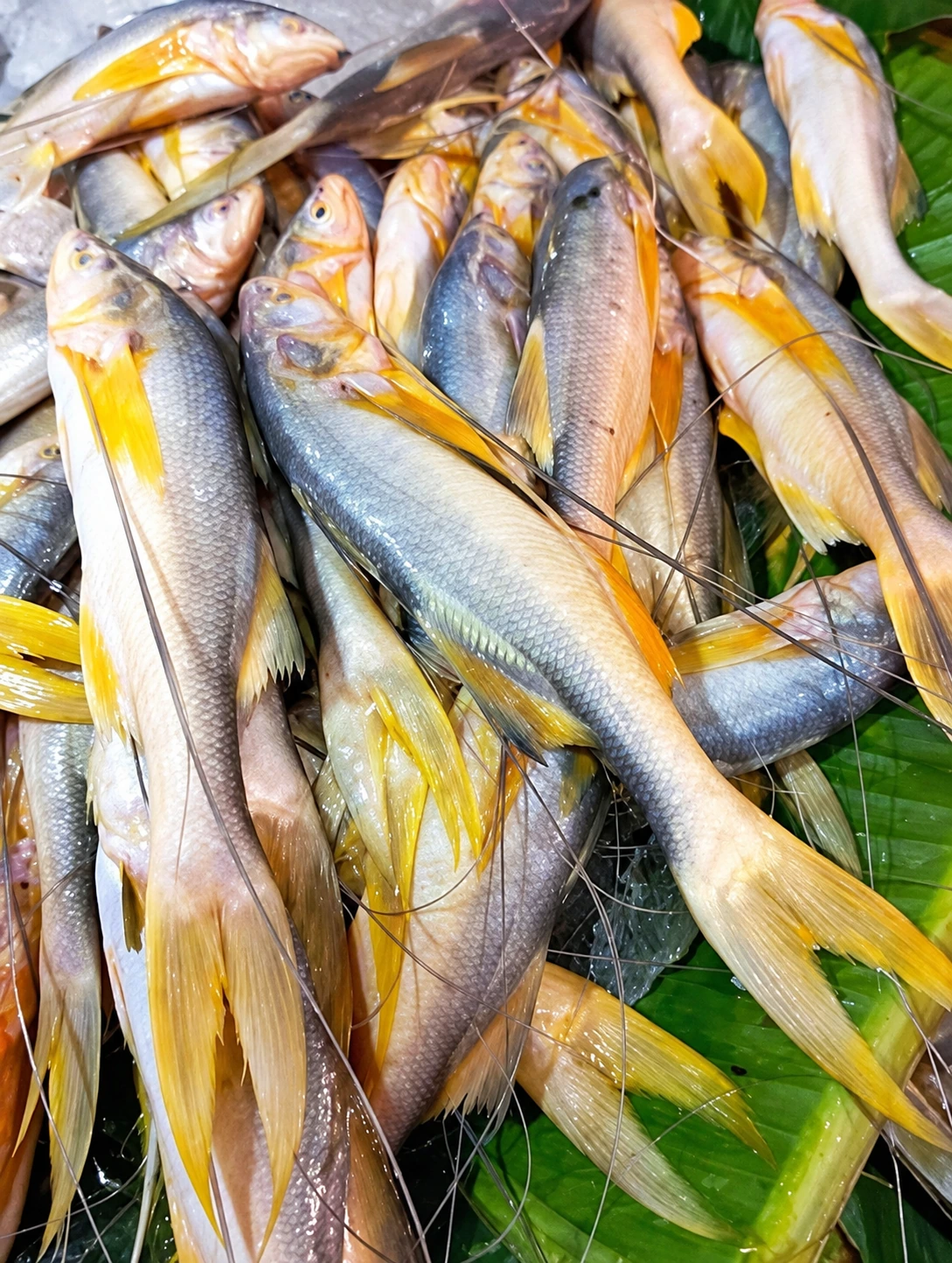
Soft, silky and premium-feeling. Choose it for a special bowl when you are after a more tender flake.
Ask the fishmonger to descale, gut and slice the fish. Request boneless slices if you prefer less fuss in the bowl.
Ask for the head halved or quartered so it fits your pot, and keep the bones in a separate bag. Use the broth guide if you’re preparing a stock batch.
Make fish your last market stop and bring it home in an insulated bag. Keep it refrigerated while preparing the rest of your meal.
My go-to high-protein comfort meal starts at the fish stall. Ask for sliced fish for the soup, fish bones or fish head for a sweeter stock, plus chilli padi for heat.
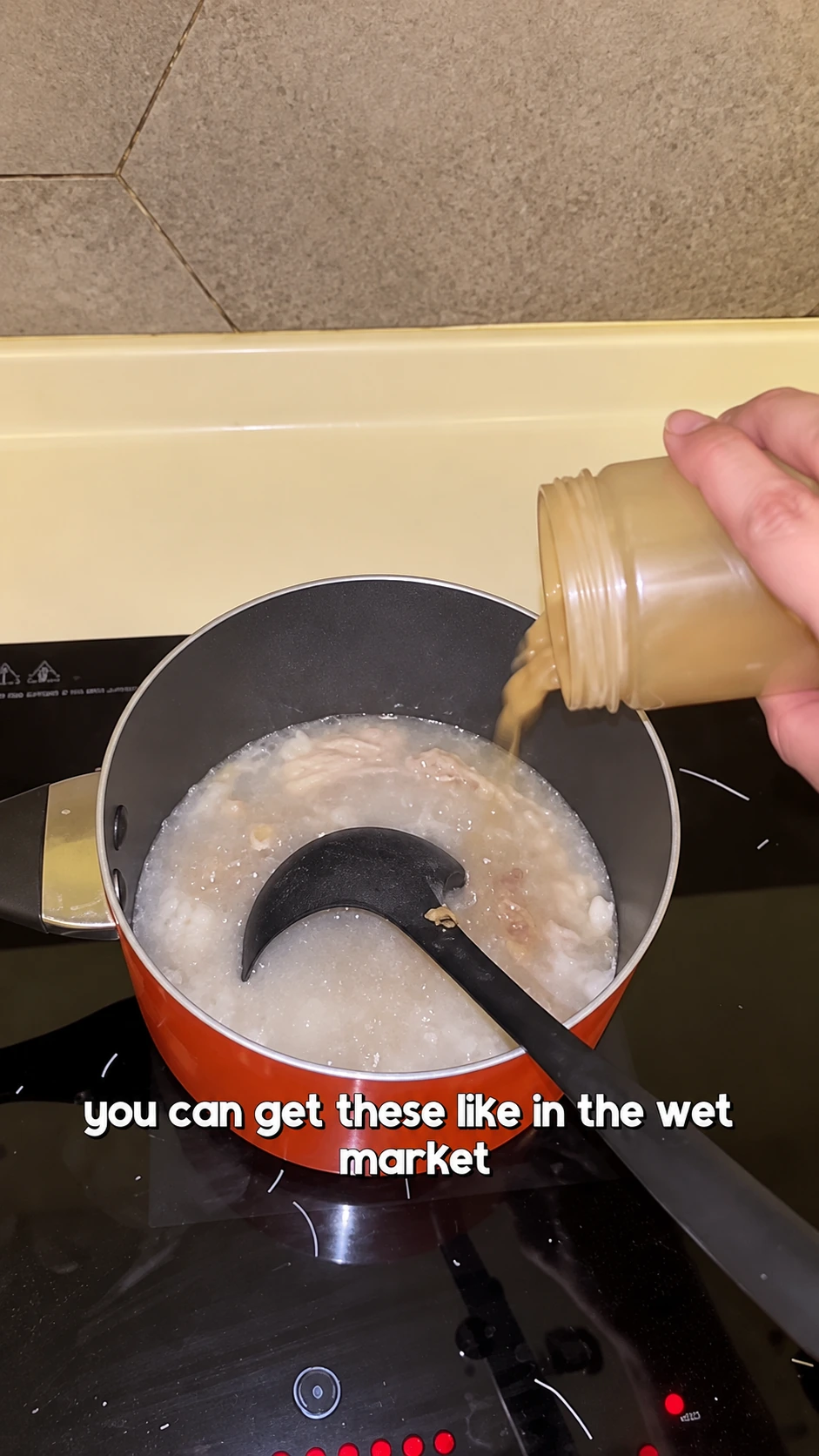
Prepare your stock first, or use broth you already have. Strain out the head and bones before assembling the soup.
Bring the broth to a simmer, add the sliced fish and cook until the fish is opaque and flakes easily. Cooking time depends on slice thickness.
For every 450–500 ml broth, add 1 tsp chicken or scallop seasoning, a dash of fish sauce and white pepper to taste. Stir and taste before adding more.
Divide the fish and soup between your bowls and add chilli padi if you want heat.
Kelly’s fish choices, shopping tips and soup-base quantities from her fish-soup video. Use the same soup base for yong tau foo.
Fresh favourites from Marketplace at 58, homemade bone broth and a little fried garlic.
The same soup base as my fish soup · 450–500 ml broth
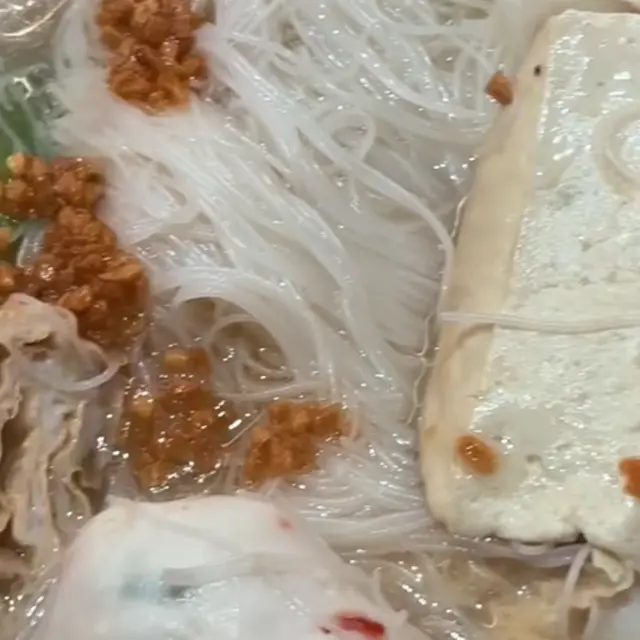
“I’m a huge fan of anything that’s a by-product of soy.” My picks are tofu, bean curd and bean-curd skin, with fresh fish balls from Marketplace at 58. It’s where I always get my yong tau foo.
Shared soup base for fish soup and yong tau foo: these seasoning amounts are for 450–500 ml broth. Scale them with the amount of broth you use, then taste before adding more.
Choose the yong tau foo pieces and noodles to suit your appetite.
Pick up fish balls and your favourite tofu and fish-paste pieces at Marketplace at 58 — my regular yong tau foo stop. Keep them chilled until you’re ready to cook.
Use clean kitchen scissors to cut larger bean-curd and tofu pieces into bite-sized portions, just as I do in the video.
Have your homemade bone broth ready. Prepare the bee hoon according to its packet instructions and wash the leafy greens.
My base is the homemade bone broth I already have on hand. In the video, I mention ikan bilis and soybeans as ingredients traditionally used for yong tau foo broth.
Bring your homemade bone broth to a simmer in a saucepan.
Add the fish balls, tofu, bean-curd skin and fish-paste pieces. Simmer until cooked through, allowing thicker pieces more time. Add the greens towards the end.
For every 450–500 ml broth, add 1 tsp chicken or scallop seasoning, a dash of fish sauce and white pepper to taste. Stir and taste before adding more.
Place the prepared bee hoon in your bowl, ladle over the soup and yong tau foo, then finish with fried garlic.
My ultimate people-pleaser dish. The garlic breath is unreal, but it’s worth it.
Glass noodles · garlicky prawns · steam for 6–7 minutes
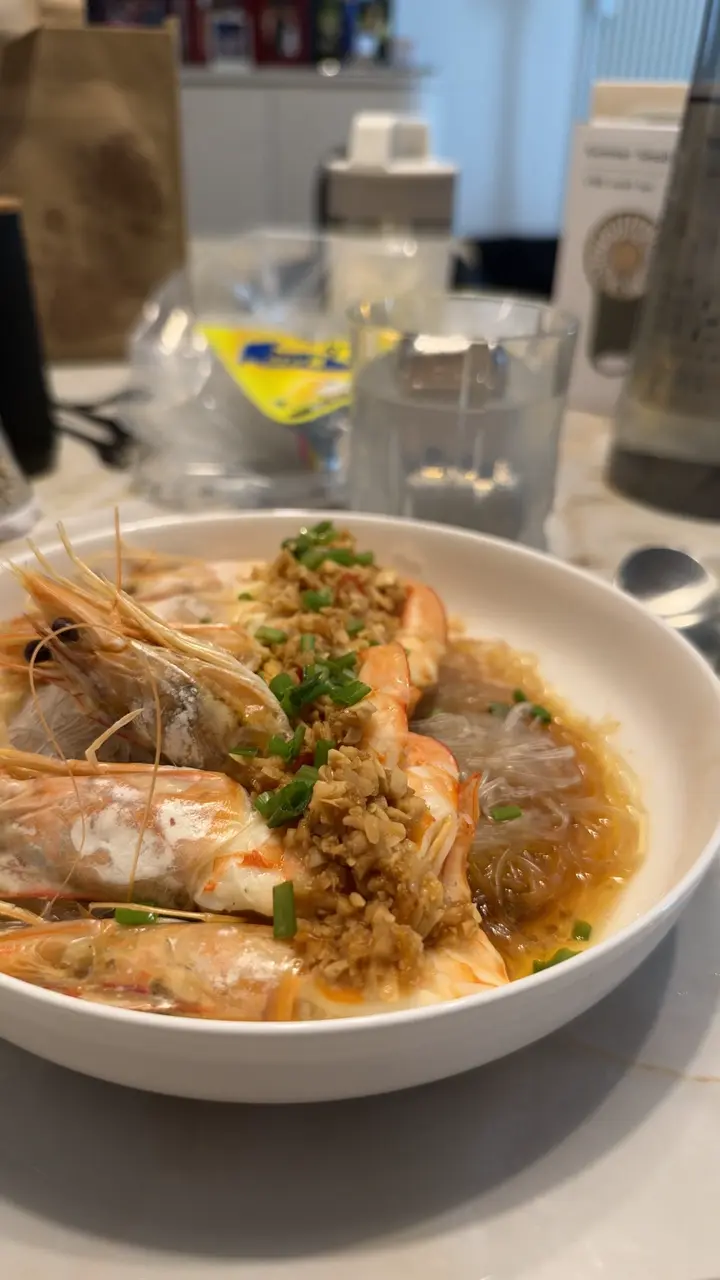
Use the sauce quantities above for your dish. Choose your prawn and noodle portions to suit your appetite.
Pour hot water over the glass noodles or mung bean vermicelli to soften, then drain.
Peel the prawns, keeping the heads on as shown in my video. Devein, then slice down the middle without cutting all the way through.
Mix 4 minced garlic cloves, 1 tsp minced ginger, 1–2 chopped chilli padi, 1 tbsp oyster sauce, a pinch of sugar, 1 tbsp chicken or mushroom seasoning, 1 tsp hua tiao wine and white pepper to taste.
Heat 2 tbsp vegetable or peanut oil, then carefully pour it over the garlic mixture and stir. Add soy sauce only if it isn’t salty enough.
Spread the drained noodles in a heatproof dish, arrange the prawns on top and spoon the garlic mixture over them.
Place the dish in a steamer over boiling water, cover and steam for 6–7 minutes, until the prawns are pink and opaque. Larger prawns may need a little longer.
Top with chopped spring onions. Toss the glass noodles through the sauce and enjoy!
From your wet-market bag to a comforting bowl.
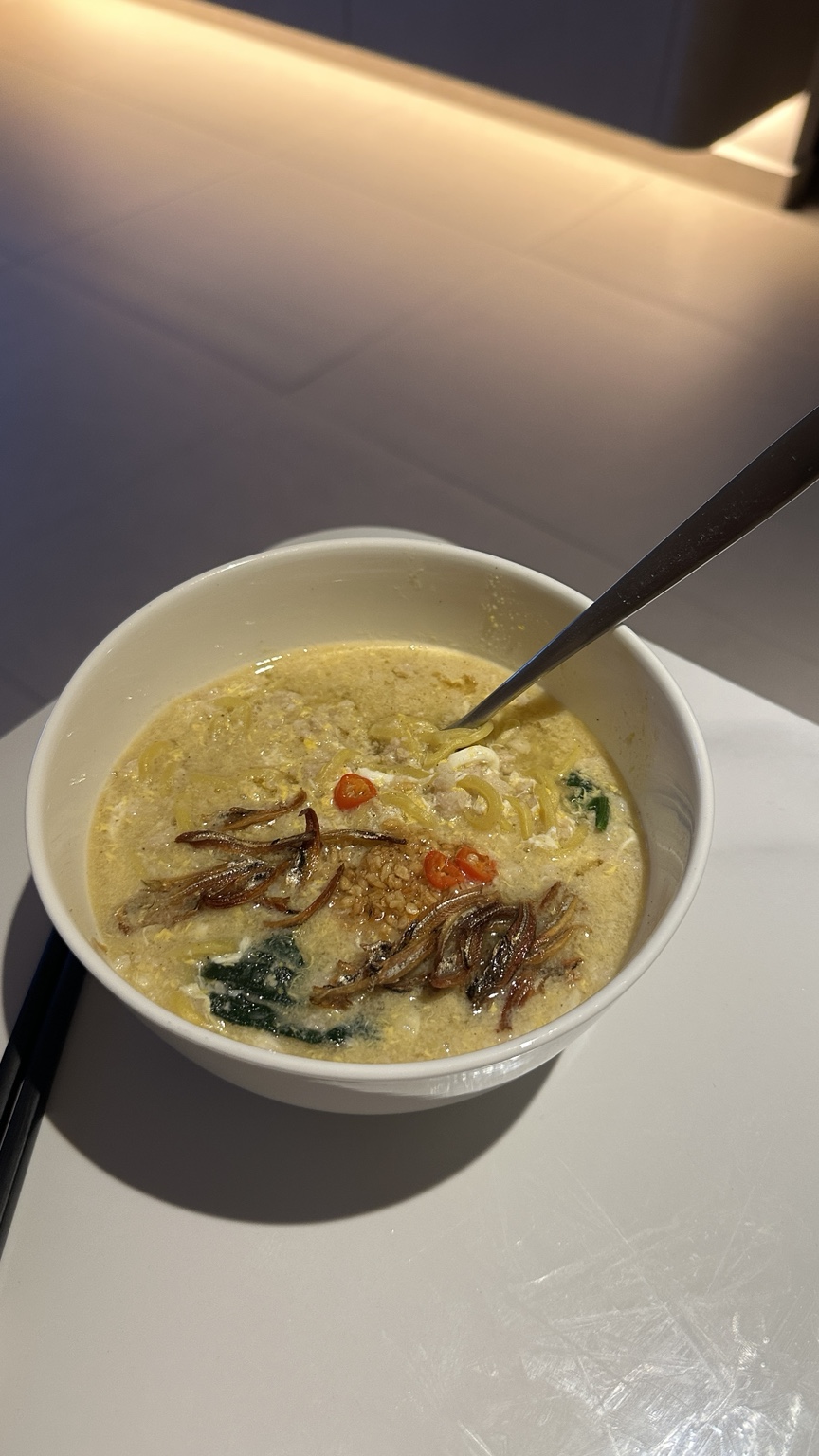
Use halal-certified minced chicken, broth and seasonings.
“My favourite is Wu Li Hao fresh u mian or ban mian. Check the chilled fresh-noodle section at Sheng Siong or selected FairPrice outlets if your wet-market noodle stall doesn’t have what you want.”
U mian has thin strands; ban mian has wider, flat strands. Either works here—follow the packet’s cooking time.
Use 150 g fresh noodles for your selected portion. These varieties are listed in 400 g supermarket packs; check the weight on the pack you buy.
Stock varies by outlet. Keep refrigerated and follow the pack’s storage and use-by instructions.
Kelly’s local pick: The shengmian I use is found at Kebun Baru Wet Market.
Wu Li Hao stockist information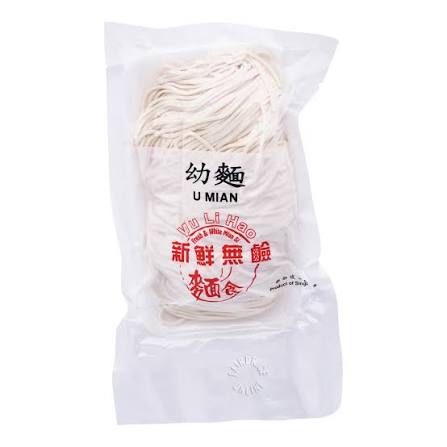
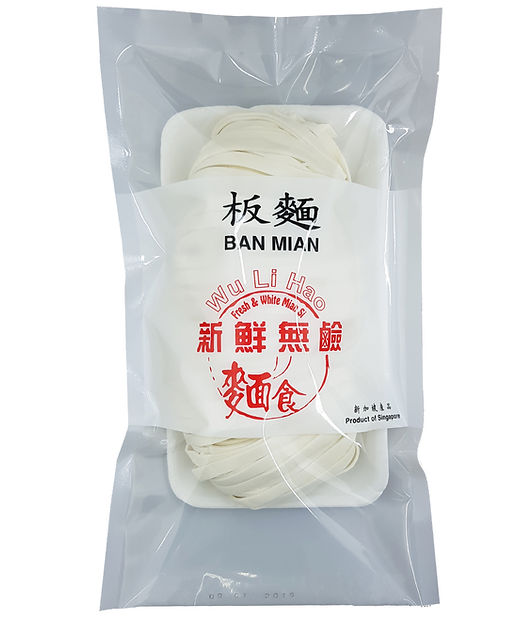
Buy one small bunch of spinach and weigh it after trimming. Buy a small packet of ikan bilis and use the amount above. Broth is measured after cooking; the 1 kg bone recipe makes a batch.
Cornflour, sesame oil, soy sauce, white pepper and chicken seasoning. The measured pork marinade is in Prep.
Mix 100 g minced pork with:
| Ingredient | Amount |
|---|---|
| Soy sauce | 1 tsp |
| Cornflour | 1 tsp |
| Sesame oil | ½ tsp |
| White pepper | ⅛ tsp |
| Water · add gradually | 30–40 ml |
For 300–400 g minced pork, gradually mix in ½ cup water (about 120 ml), a little at a time. Break up any compacted lumps and let each addition absorb before adding more. Aim for soft, loose, moist mince with no pool of water. This adds moisture and helps the pork cook into tender pieces instead of firm, dry clumps. Keep chilled until cooking.
Air-fry or pan-fry 10 g ikan bilis until crisp. Kelly uses chicken fat in one video; a little cooking oil also works.
Wash and trim 50 g spinach. Slice 1 chilli padi if using, and set aside 1 tbsp fried shallots.
Have 450–500 ml prepared broth, 150 g fresh noodles and 1 egg ready.
About 10 minutes with broth and toppings ready; noodle thickness and batch size can change the cooking time.
Bring 450–500 ml broth to a boil. Add 150 g fresh u mian, ban mian or sheng mian; follow the noodle packet’s cooking time.
Drop in small portions of the 100 g marinated pork. Simmer until the pork is fully cooked and noodles are tender. Add 50 g spinach and cook until wilted.
Add 1 egg and cook through. Start with ¼ tsp chicken seasoning and a pinch of white pepper, then taste. Use less chicken seasoning if the broth is already salted.
Serve with 10 g crispy ikan bilis, 1 tbsp fried shallots and 1 sliced chilli padi (optional).
Adapted from Kelly’s two cooking videos. Ingredient weights and seasoning measures are suggested starting portions; adjust to appetite and taste.
The Food.com recipe Kelly uses at home.
Recipe by Marie: The Best Belgian Waffles on Food.com. Photo by Kelly.
Lightly grease the plates and preheat according to your appliance instructions.
Sift the flour, baking powder, salt and sugar into a large mixing bowl.
Keep the yolks in one bowl and beat the whites in a clean bowl until they hold stiff peaks.
Stir the yolks with the milk, vegetable oil and vanilla. Combine this mixture with the dry ingredients.
Fold the beaten whites into the batter, keeping as much air in the mixture as possible.
Cook on medium-high for approximately 5–10 minutes, adjusting to your waffle maker. Wait until golden before lifting out.
Enjoy warm. Butter and syrup are optional toppings, as shown in Kelly’s photo.

Rice-cooker comfort with chicken, broth and samsui ginger sauce.
| Ingredient | Amount in Kelly’s post |
|---|---|
| Chicken seasoning · Knorr | 4–5 tsp |
| Salt | About 1 tsp |
| Samsui ginger sauce · Soup Restaurant | 1 heaping tbsp |
The post gives the seasoning amounts above without a rice or chicken batch size. Start with less for a smaller batch or already-seasoned broth, then adjust to taste.
Measure the uncooked rice, rinse and drain, then add it to the rice cooker.
Use a 1:8 rice-to-broth ratio by volume, using the same cup for both. For example, ½ cup rice needs 4 cups broth. Keep within your cooker’s porridge fill limit.
Have your chicken, chicken seasoning, salt and samsui ginger sauce ready. Set aside sesame oil, fried garlic and fried shallots for serving.
Add the chicken to the washed rice and pour in the measured broth. Stir in the chicken seasoning, salt and 1 heaping tbsp samsui ginger sauce, adjusting the seasoning amounts for your batch.
Kelly cooks it for 2 hours, or on porridge mode. Follow your rice cooker’s porridge instructions and cook until the rice is soft and the chicken is fully cooked.
Carefully break apart the cooked chicken, remove all bones and stir the meat back into the porridge. Taste and add more seasoning if needed.
Serve with a drizzle of sesame oil and top with fried garlic and fried shallots.
Creamy, spicy noodle soup with mince, fish and spinach.
Use halal-certified minced chicken, broth and seasonings.
Prepared broth, Por Kwan Tom Yum paste, evaporated milk, fish sauce and white pepper.
| Ingredient | Amount |
|---|---|
| Por Kwan Tom Yum paste | 1–2 tbsp |
| Evaporated milk | 1 tbsp |
| Fish sauce | A splash |
| White pepper | A dash |
| Egg | 1 |
Season your minced pork, then loosen it with water.
For 300–400 g minced pork, gradually mix in ½ cup water (about 120 ml), a little at a time. Break up any compacted lumps and let each addition absorb before adding more. Aim for soft, loose, moist mince with no pool of water. This adds moisture and helps the pork cook into tender pieces instead of firm, dry clumps. Keep chilled until cooking.
Slice the fish. If using, clean the prawns and squid and cut the squid into bite-sized pieces.
Rinse well. Set out the ee mian, egg and fried garlic or fried shallots.
Portion the broth, noodles, meat, fish and spinach to your appetite.
Heat your prepared broth in a pot. Once boiling, add the ee mian and marinated minced pork. Break up the mince as it cooks.
Add the sliced fish and any optional seafood. Kelly likes prawns and squid. Cook the pork, fish and seafood through, following the noodle packet’s cooking time.
Add the spinach, 1–2 tbsp tom yum paste, 1 tbsp evaporated milk, a splash of fish sauce and a dash of white pepper. Stir well.
Add 1 egg and mix well. Cook until the egg is set and the spinach is tender. Taste and adjust the seasoning to your liking.
Top with fried garlic or fried shallots and serve hot.
Affiliate link: I may earn a commission if you buy through the Por Kwan link.
Saucy noodles, crispy toppings, soup on the side.
Use halal-certified minced chicken, broth and seasonings.
Prepared broth, chicken seasoning, fish sauce, shallot sauce, sambal belacan, kecap manis or dark soy sauce, oyster sauce, sesame oil, sugar and white pepper.
Fresh u mian is Kelly’s favourite. Look for Wu Li Hao in the chilled fresh-noodle section at Sheng Siong or selected FairPrice outlets.
| Ingredient | Amount |
|---|---|
| Shallot sauce | 2 tbsp |
| Your favourite sambal belacan | 1 tsp |
| Kecap manis or dark soy sauce | 1 tbsp |
| Oyster sauce | 1 tbsp |
| Sesame oil | ½ tsp |
| Sugar | A pinch |
| White pepper | A dash |
| Hot noodle soup, added when cooking | 1 tbsp |
Use marinated minced pork or chicken. For pork, mix in water to loosen the mince.
For 300–400 g minced pork, gradually mix in ½ cup water (about 120 ml), a little at a time. Break up any compacted lumps and let each addition absorb before adding more. Aim for soft, loose, moist mince with no pool of water. This adds moisture and helps the pork cook into tender pieces instead of firm, dry clumps. Keep chilled until cooking.
Wash spinach or mani cai. Have fried ikan bilis and fried shallots ready.
Optional, but Kelly’s personal must-have.
Sauce quantities follow Kelly’s shared recipe. Noodle, meat and vegetable quantities were not specified; portion to your appetite.
Bring prepared broth to a boil. Add fresh u mian or sheng mian and follow the packet’s cooking time.
Add marinated minced pork or chicken and cook through. Add spinach or mani cai and cook until tender.
Season with 1 tsp chicken seasoning and a dash of fish sauce. Save 1 tbsp hot noodle soup for the sauce.
Drain the noodles well. Mix the reserved soup into the noodle sauce to help it coat the noodles, then toss well.
Top with fried ikan bilis, fried shallots and sliced chilli padi if using. Serve the soup separately.
Choose your bones. Make your broth.
Choose bones for flavour and body. “Collagen-rich” here describes the gelatinous texture that connective tissue creates in stock—not a health claim. Combine a flavour bone with a body-giving one for the best result.
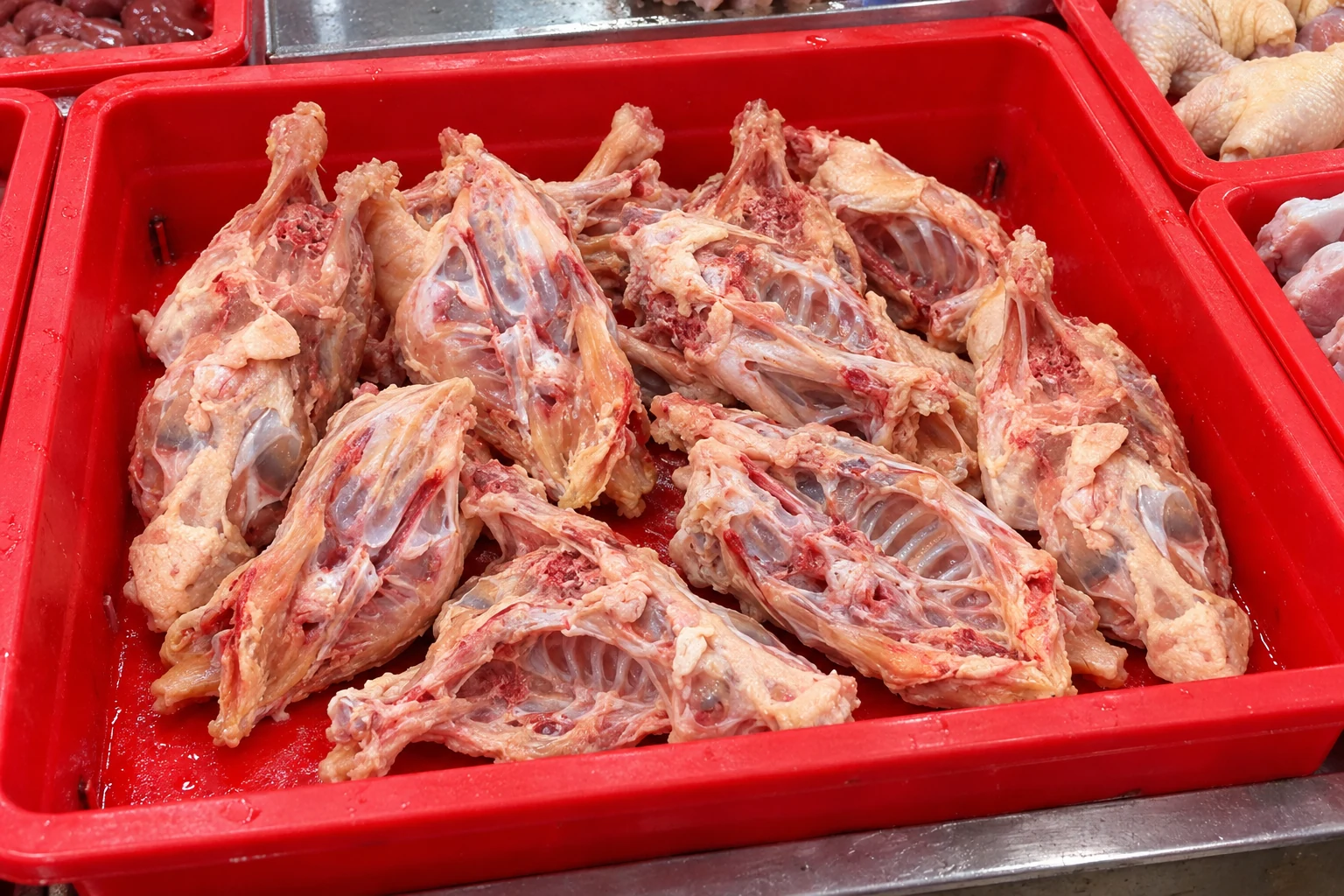
Ask the poultry stall for a chopped chicken frame. It gives a light golden stock for congee, chicken noodle soup or a simple vegetable soup.

More body than flavour. Pair with chicken bones for a fuller ramen-style broth or a stock that sets when chilled.
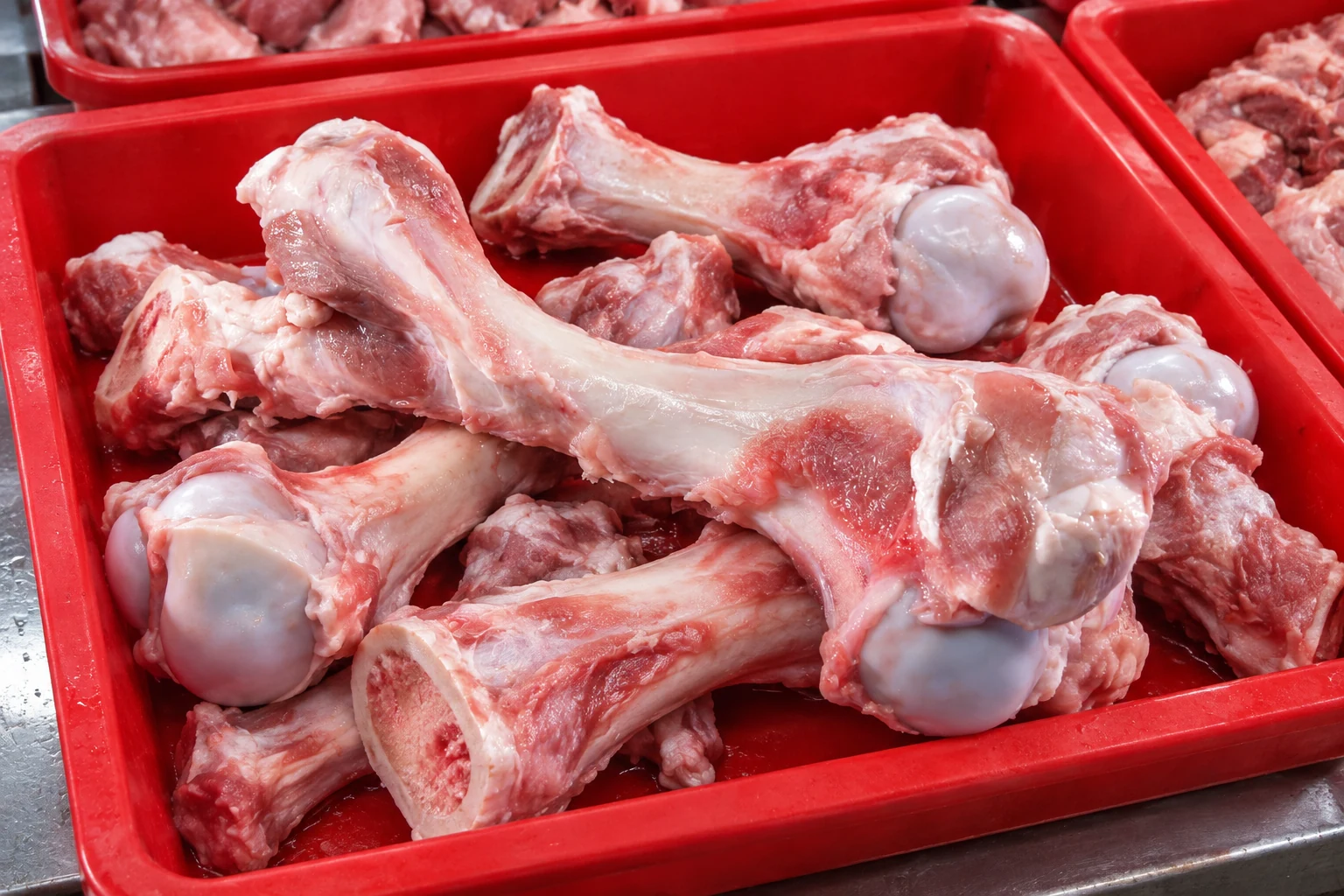
Ask for large pork leg bones (大骨), split or chopped to expose the marrow. Use for rich soups, ramen broth or long-simmered noodles.
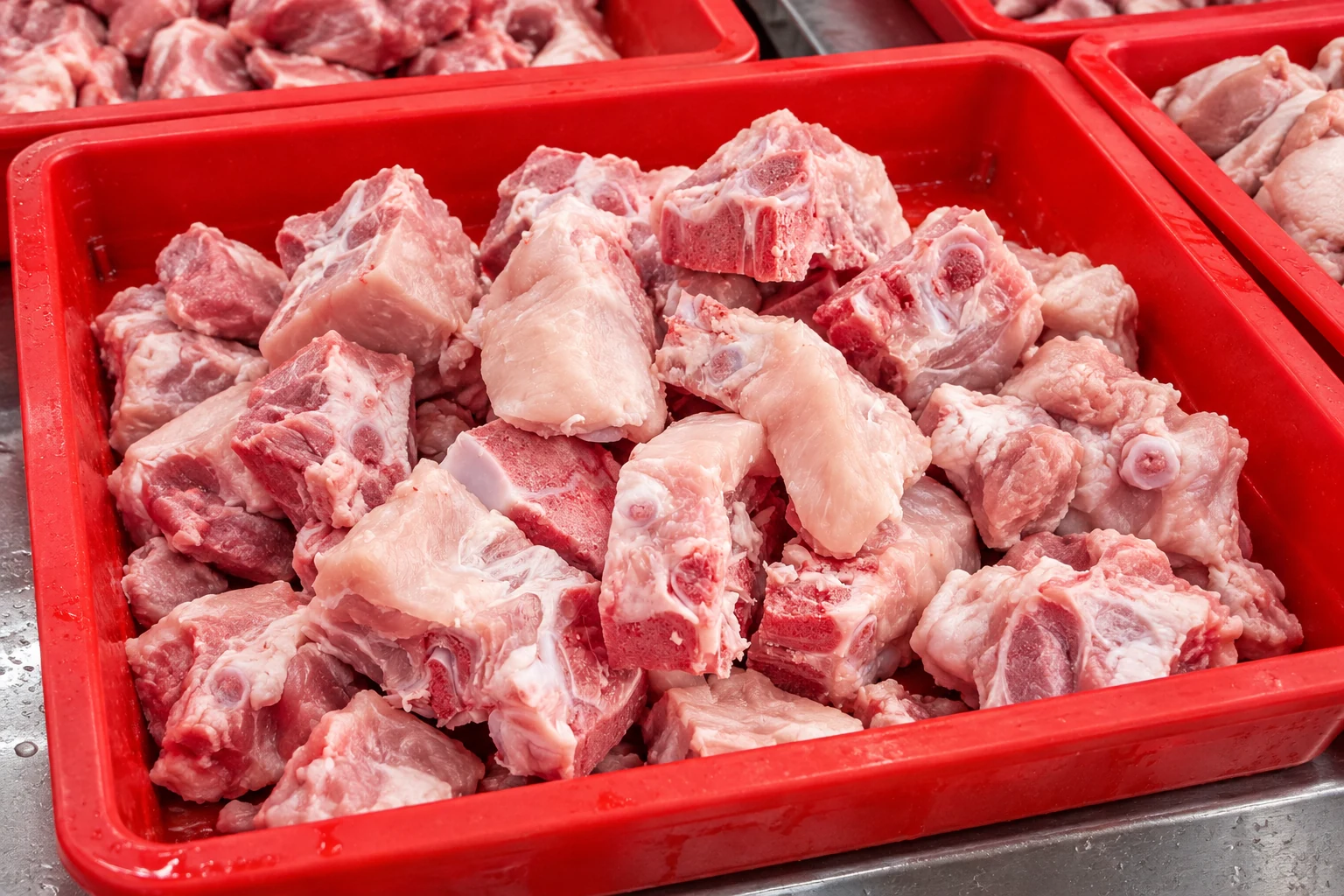
A cleaner everyday stock for lotus-root soup, ABC soup, congee or a simple noodle base.
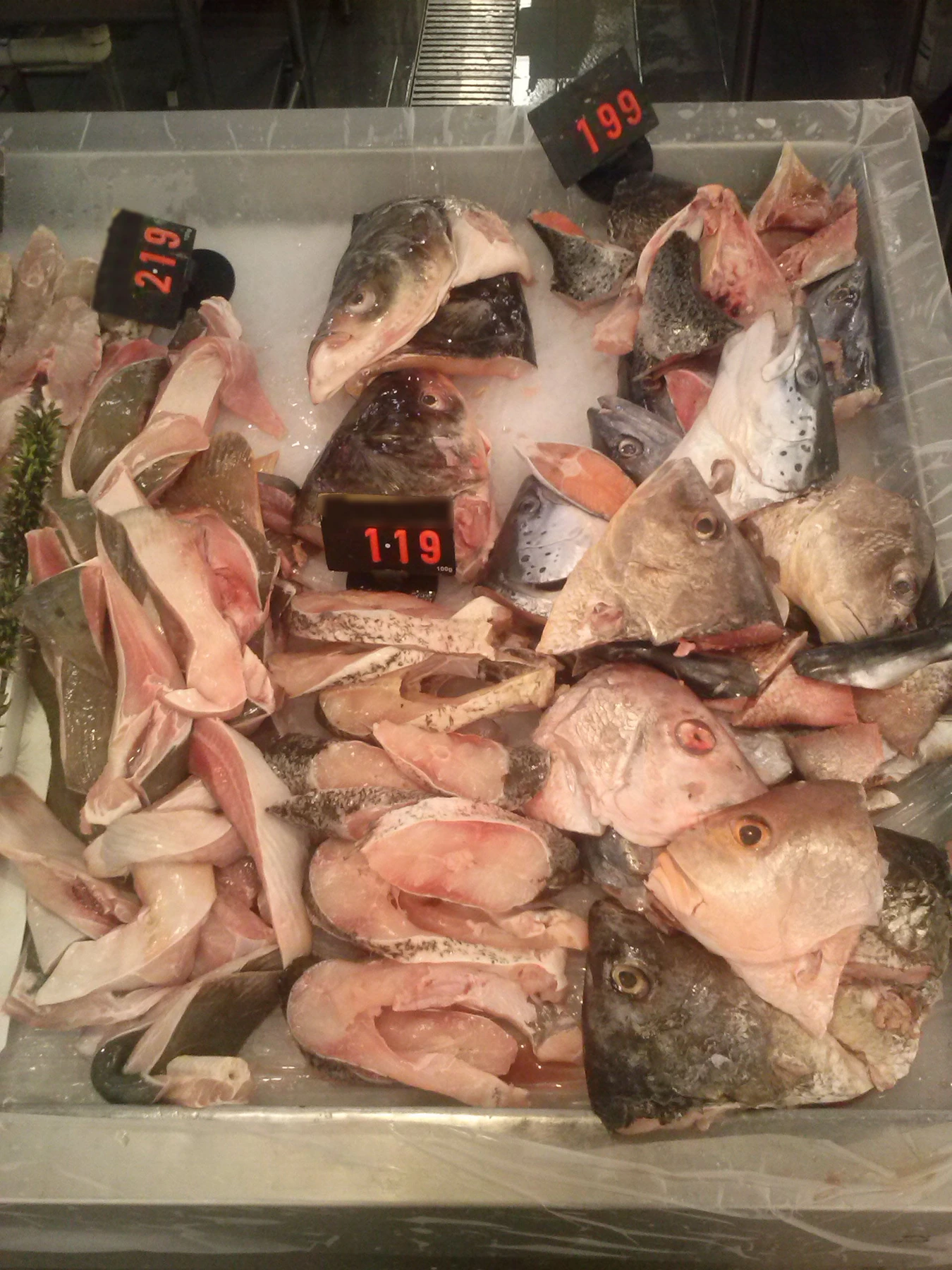
Pan-fry first for a creamy white broth. Best for fish soup bee hoon, tofu soup or seafood noodles. Make my fish head bone broth.
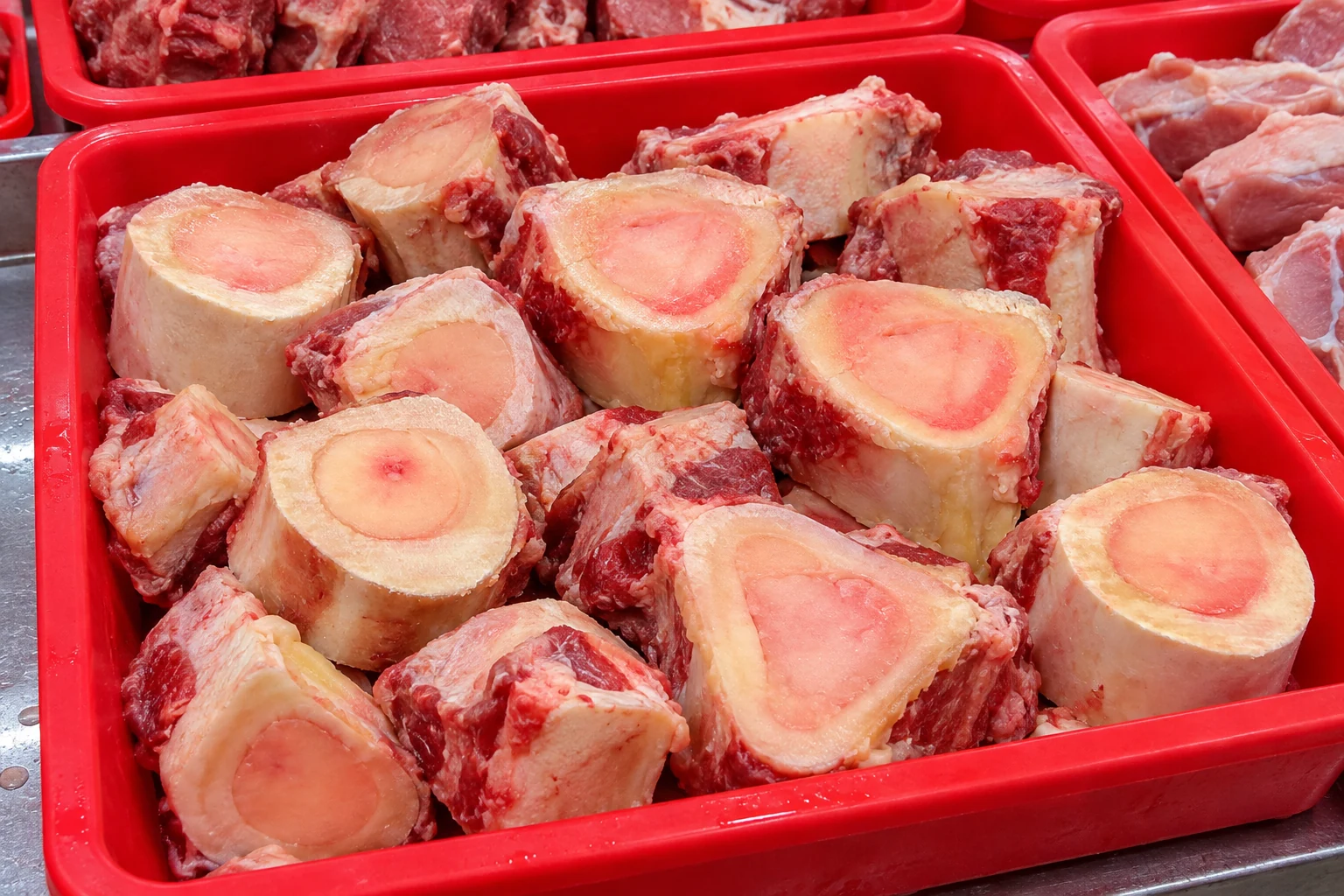
Roast first for luxurious mouthfeel. Use for pho-style broth, gravy or a bold sipping stock.
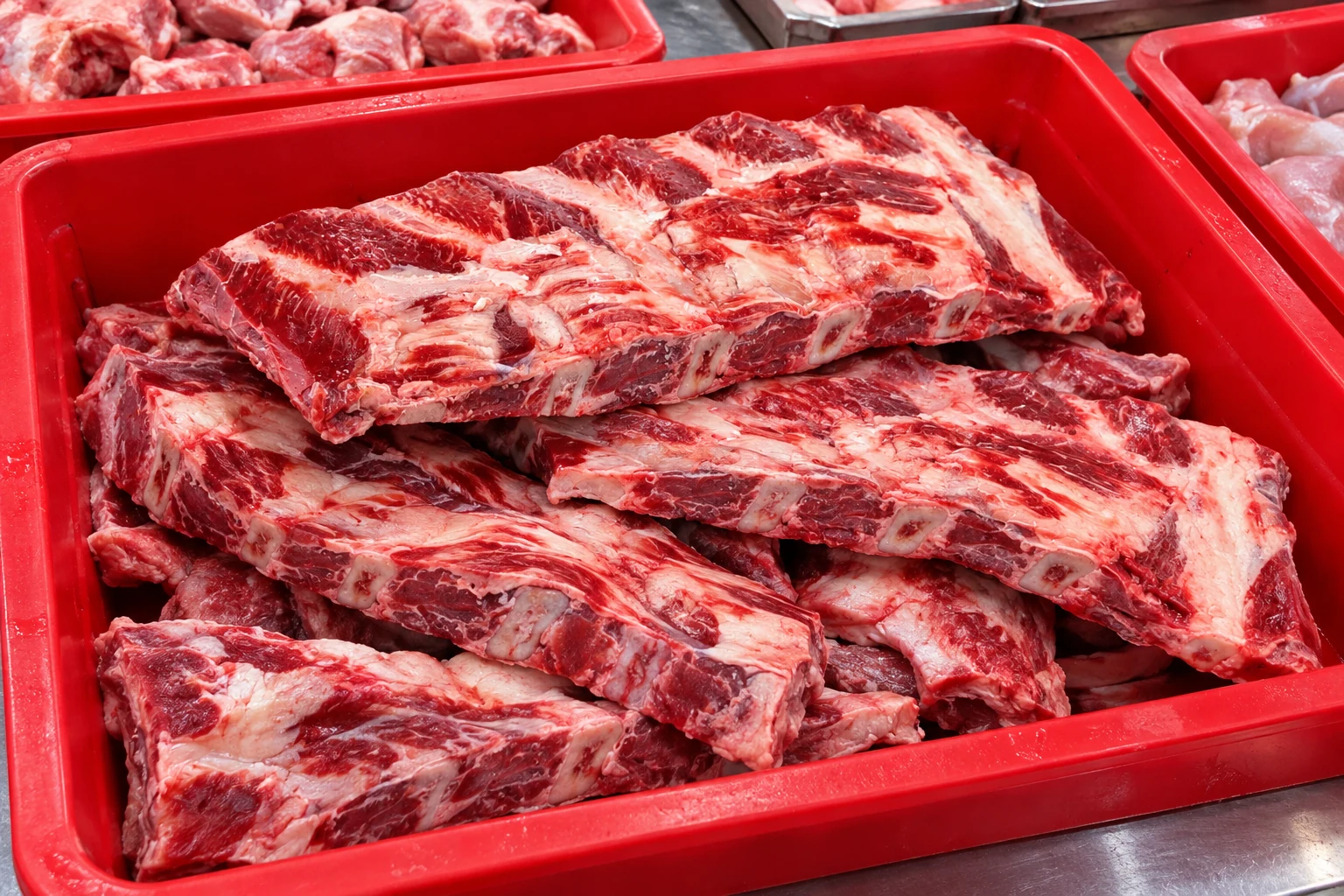
Ask for meaty beef rib bones, chopped to fit your pot. Use for Korean-style beef soup, beef noodles or a hearty stew base.
Four ingredients. One comforting pot.
Water to cover the bones.
Plus time to pressurise and release naturally.
Choose either method, not both, before adding the bones and aromatics to the pot.
Roasting adds colour and flavour; blanching removes surface scum. You can also skip this step and skim the broth as it cooks. For Kelly’s two-batch broth, do this only before Step 1.
My recommended fish heads: seabass, red grouper, batang & threadfin. Any fish head works for this recipe except salmon and saba mackerel.
Ask the fishmonger to chop the fish head into smaller pieces so it’s easier to fry. Pat the pieces dry before frying.
Heat oil in a pot or deep pan. Fry the fish-head pieces until golden brown, turning to brown the sides.
Add the ginger and the white parts of the spring onion to the golden-brown fish head and fry until fragrant.
Carefully add hot, boiling water to cover the fish-head pieces.
Keep the broth at a vigorous, rolling boil for 10–15 minutes, until milky. This emulsifies the fat into the water for the creamy, milky finish shown in my video. Top up with boiling water as needed.
Strain out the fish head and bones through a fine sieve. Use the broth as a base for fish soup, yong tau foo or noodles, and season when making your dish.
The milky colour comes from frying and vigorous boiling. No milk is added. Use a pot or deep pan for this method; an air fryer does not replace the frying step.
Add the bones, ginger, pepper and garlic. Pour in water to cover.
Pressure cook on high for 60 minutes. Let the pressure release naturally before opening.
Strain into a clean, heatproof container. Season when using.
Follow your cooker’s instructions and stay below its maximum fill line. If the bones will not fit safely, make a smaller batch.
Pressure timings: Kelly’s recipe. Stovetop timings: suggested ranges, adapted from published recipes.
Stovetop ranges are a starting point, not exact pressure-cooker conversions. Bone size, water quantity and your preferred flavour affect the result. Ask the stallholder to chop large pork bones.
Sources: Chicken stock · Pork leg-bone stock · Pork neck-bone stock · Beef stock.
The chicken range is adapted for chicken bones or feet; the pork soup-bone range uses smaller, meaty neck bones as its reference. For fish head, select “Fish head bone broth” above for Kelly’s golden-fry and vigorous-boil method.
Golden cooking oil, with crispy chicken skin on the side.
500 g chicken skin · Ninja Crispi · Roast · 45 minutes
Ask the poultry stall whether they sell chicken skin separately. Keep the attached fat for rendering.
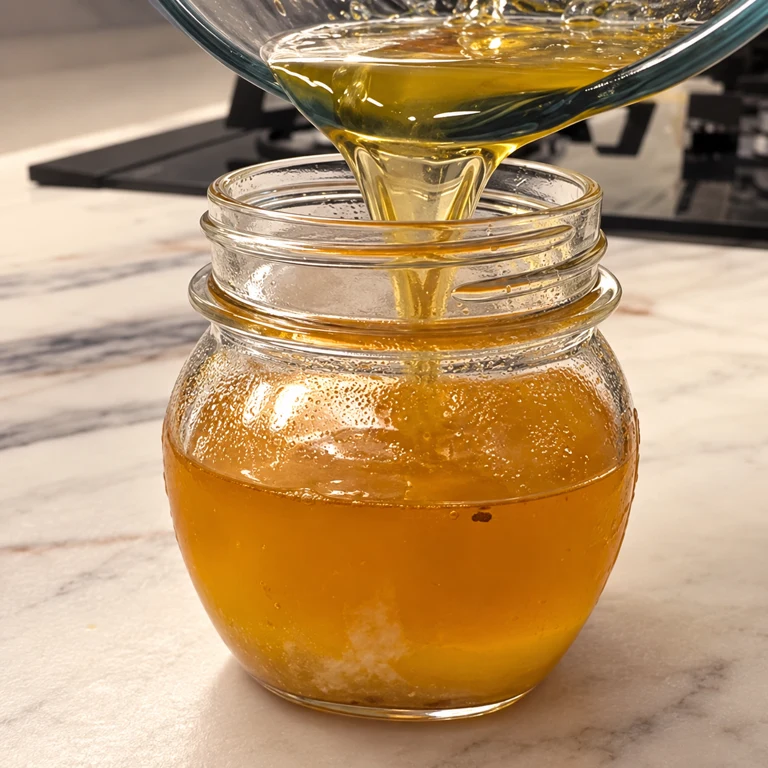
Ninja Crispi with its cooking rack, a fine sieve, and a clean, dry heatproof jar for the oil.
Spread the chicken skin on the Ninja Crispi cooking rack, with room for air to circulate. Avoid overcrowding; split into batches if needed.
Kelly uses the Roast setting for 45 minutes. The fat collects beneath the rack as the skin cooks. Check for golden, crisp skin; results can vary with the thickness of the skin and how full the container is.
Remove the crispy skin with tongs. Let the container cool enough to handle before collecting the hot rendered fat.
Carefully pour the rendered fat through a fine sieve into a clean, dry heatproof jar. The amount of oil depends on how much fat is attached to the skin.
Kelly keeps her chicken fat oil in a sealed jar in the pantry. Refrigeration is an option if you prefer. Use a clean, dry spoon when taking some out.
Being oil does not automatically make a homemade batch shelf-stable. Remove chicken particles thoroughly; refrigeration or freezing is recommended for quality, and leftover chicken bits can pose a food-safety risk. Rendered-fat storage guidance.
Use the oil to fry ikan bilis for ban mian, or spoon a little over Cantonese-style steamed fish for fragrance. Enjoy the crispy chicken skin separately.
Adapted from Kelly’s cooking video. Chicken skin quantity, Roast setting and 45-minute time confirmed by Kelly. Oil yield varies; straining and storage steps are practical serving guidance.
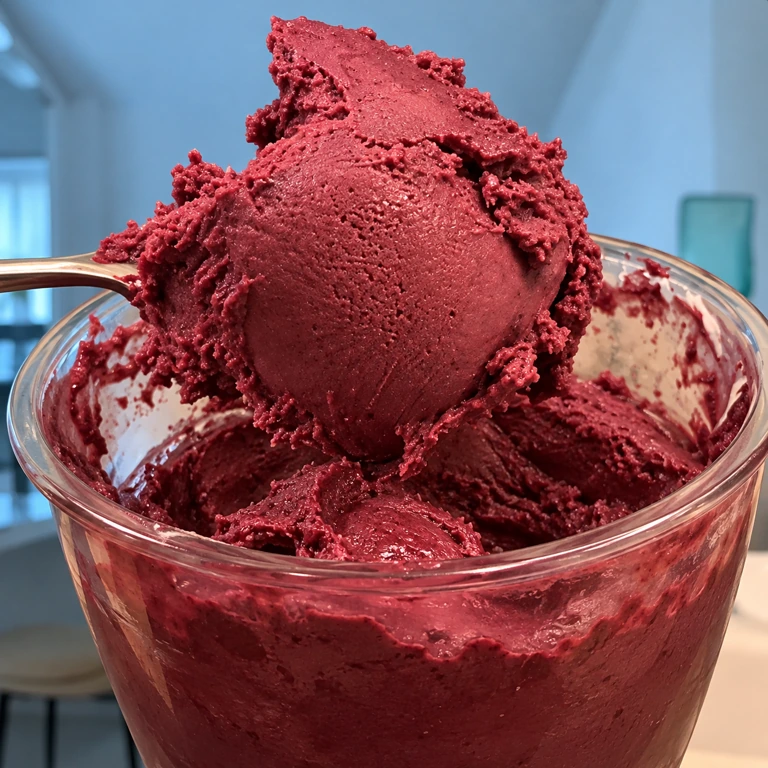
Blend. Freeze. Spin. Add your favourite toppings.
Base recipe: 1 CREAMi tub · divide into 1–2 bowls.
The banana above is for the base. Buy extra fruit if you want toppings. Fruit-stall bananas and fresh topping fruit work well; look for açaí powder, frozen berries and xanthan gum in supermarkets or online.
Blend all the base ingredients in a separate blender first. Kelly uses an immersion blender in the tub. The CREAMi step comes after freezing.
Start with 120 ml coconut water and use up to 150 ml as needed. Keep the blended base at or below your tub’s MAX FILL line.
Cover and freeze the tub upright on a level surface until completely frozen.
Fit the frozen tub according to your model’s instructions and choose Sorbet. If crumbly after the first spin, add a small splash of coconut water and select Re-Spin. Start with 1 tbsp (15 ml) for the splash; repeat only if needed.
For a shop-style bowl: crunch + fruit + a drizzle.
Toppings for 1 bowl. The base recipe stays one tub.
Choose the toppings you enjoy; you don’t need them all. Add them after spinning so the granola stays crunchy and the fruit keeps its texture.
Base recipe transcribed from Kelly’s cooking post. Toppings and the measured re-spin splash are suggested starting quantities.
Follow the instructions for your own CREAMi model and tub. Ninja CREAMi guidance. Optional topping ideas draw on the fruit, granola, nut-butter and seed combinations on An Açaí Affair’s menu; quantities here are our suggested home portions.
A price reference before you ask the stallholder.
How much?
S$12–14.40
For 400g of batang steak
Online price reference
Observed online prices: S$30–36/kg
Not a verified walk-in stall price. Delivery excluded.
Listed price ÷ listed weight × your quantity. Ranges show the lowest and highest comparable listings collected, not a market average. Portion weights may be approximate; prices and availability can change. This is a dated snapshot, not a live feed.
Before they cut: confirm the total price and what is included.
A ranked starter list for a simple, low-pressure shop. This is not sales data; it ranks everyday purchases by how commonly wet markets are used for them.
Start with a short list, visit in the morning, and buy one ingredient. Ask for the quantity you need—stallholders are used to it.
226D Ang Mo Kio Ave 1 is where I build a proper slice fish soup from scratch. Most stalls now take PayNow—still ask before the order, and keep a little cash as backup.
The early start, the wet floor, the auntie who remembers your usual order and the soup simmering at home—these are the everyday memories worth keeping alive.